
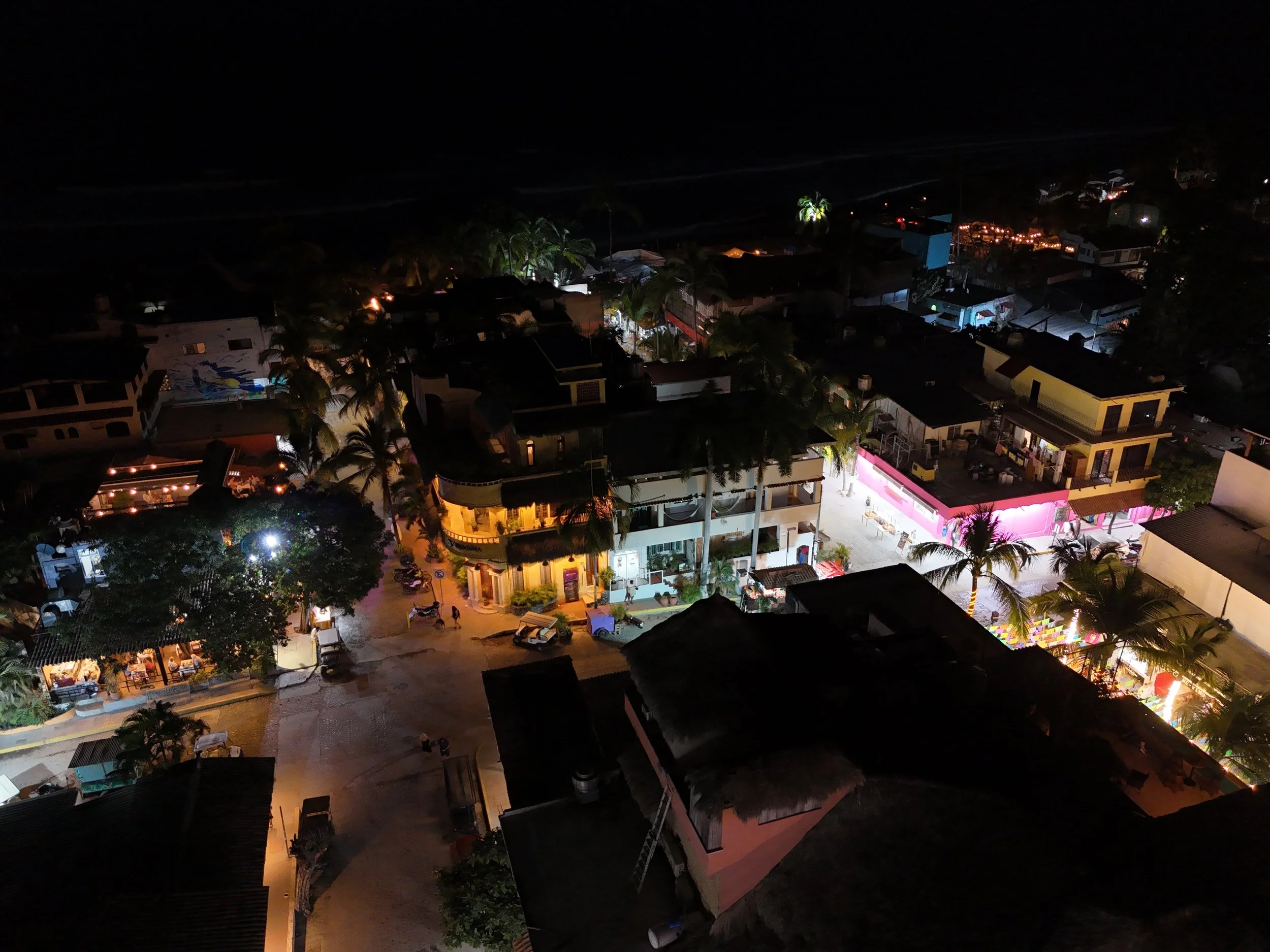
The Sounds Of Nayarit: Music, Dance And Regional Traditions
Before you see Nayarit, you may hear it.
A violin drifting through a town plaza. The rhythmic strumming of guitars during a celebration. A mariachi ensemble filling the air with trumpets and strings. The sounds of dancers moving across a community gathering. Or, in the mountains, musical traditions connected to ceremonies and Indigenous communities that have been passed down for generations.
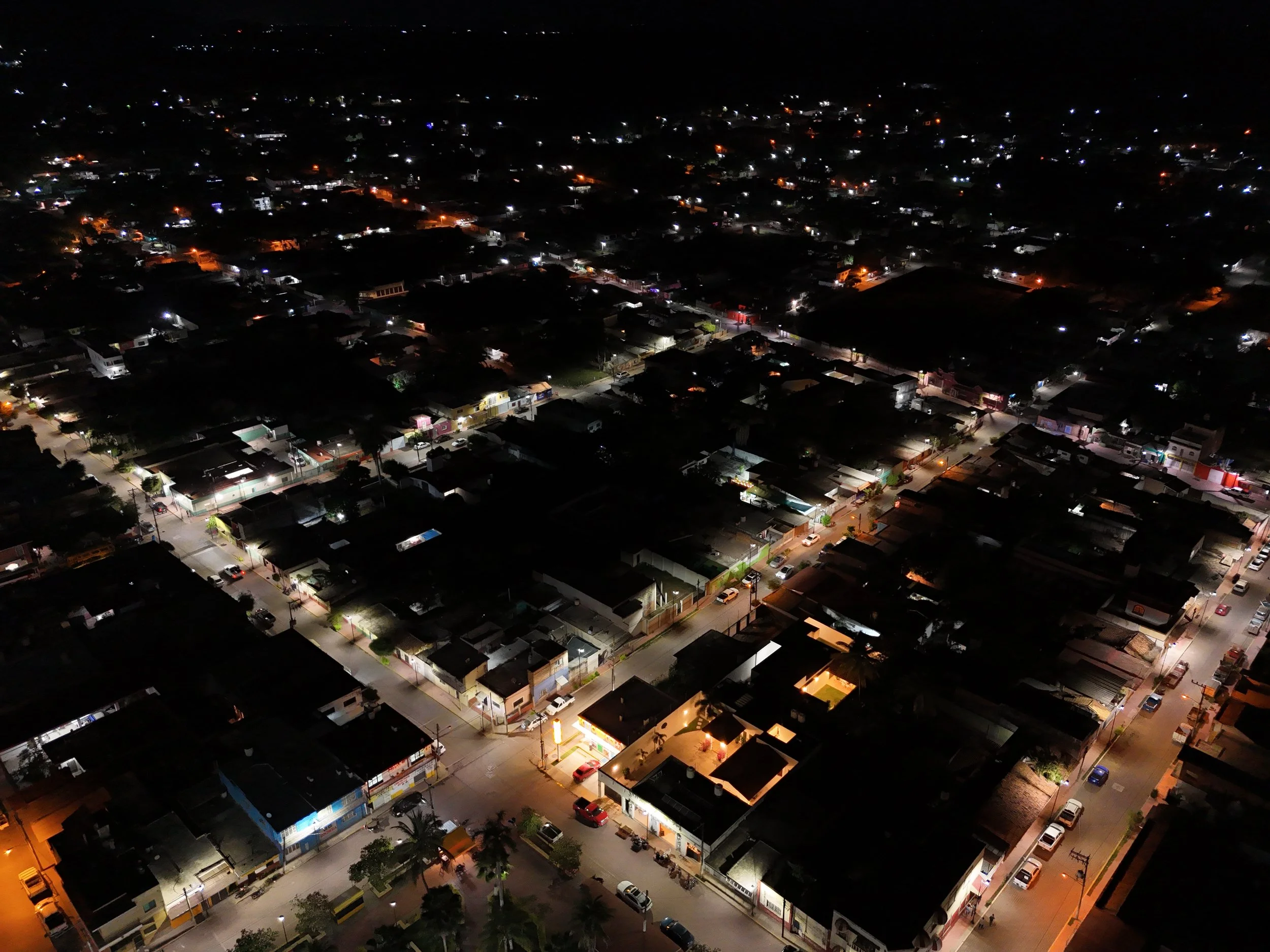
Nayarit’s Roads Less Traveled: Scenic Drives Through The State
There is a different way to discover Nayarit: from behind the wheel, with the windows down, a playlist in the background, and no need to rush toward the next major attraction.
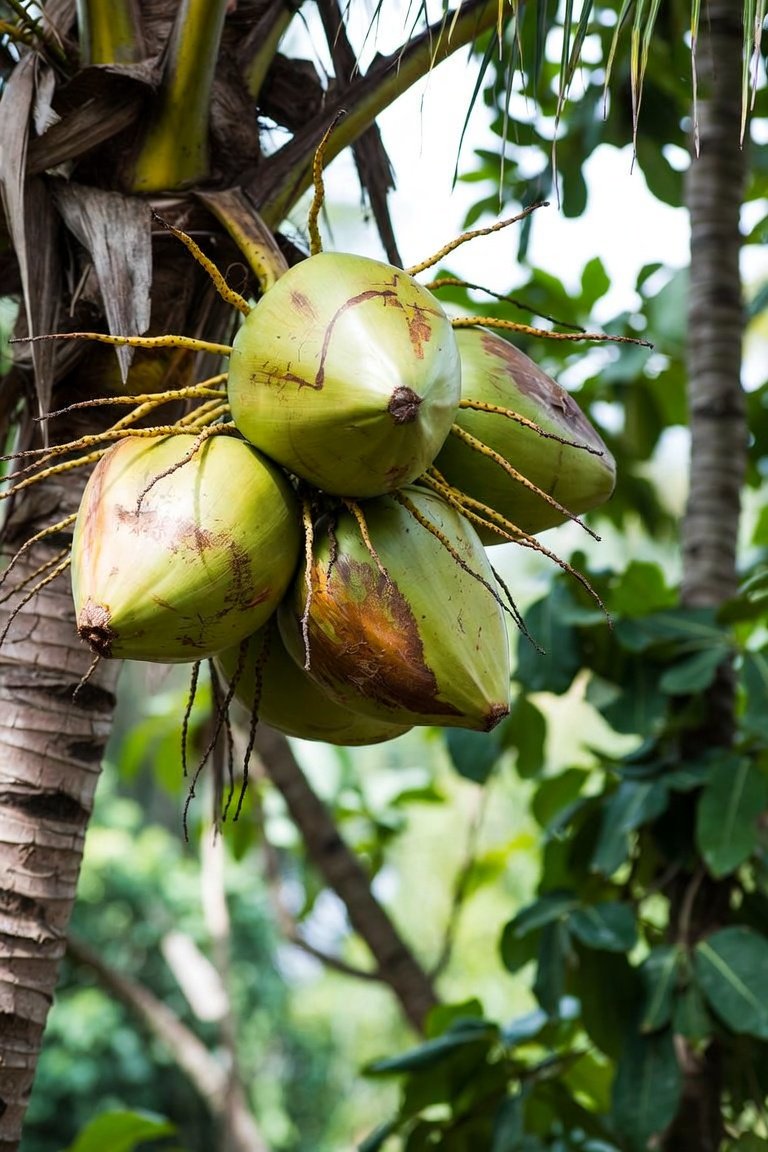
From Coconut To Copra: The Tropical Agriculture Of Coastal Nayarit
When travelers picture coastal Nayarit, they often imagine long beaches, palm trees, fishing boats, and warm Pacific waters. But behind that familiar tropical scenery is another important part of the region’s identity: agriculture.
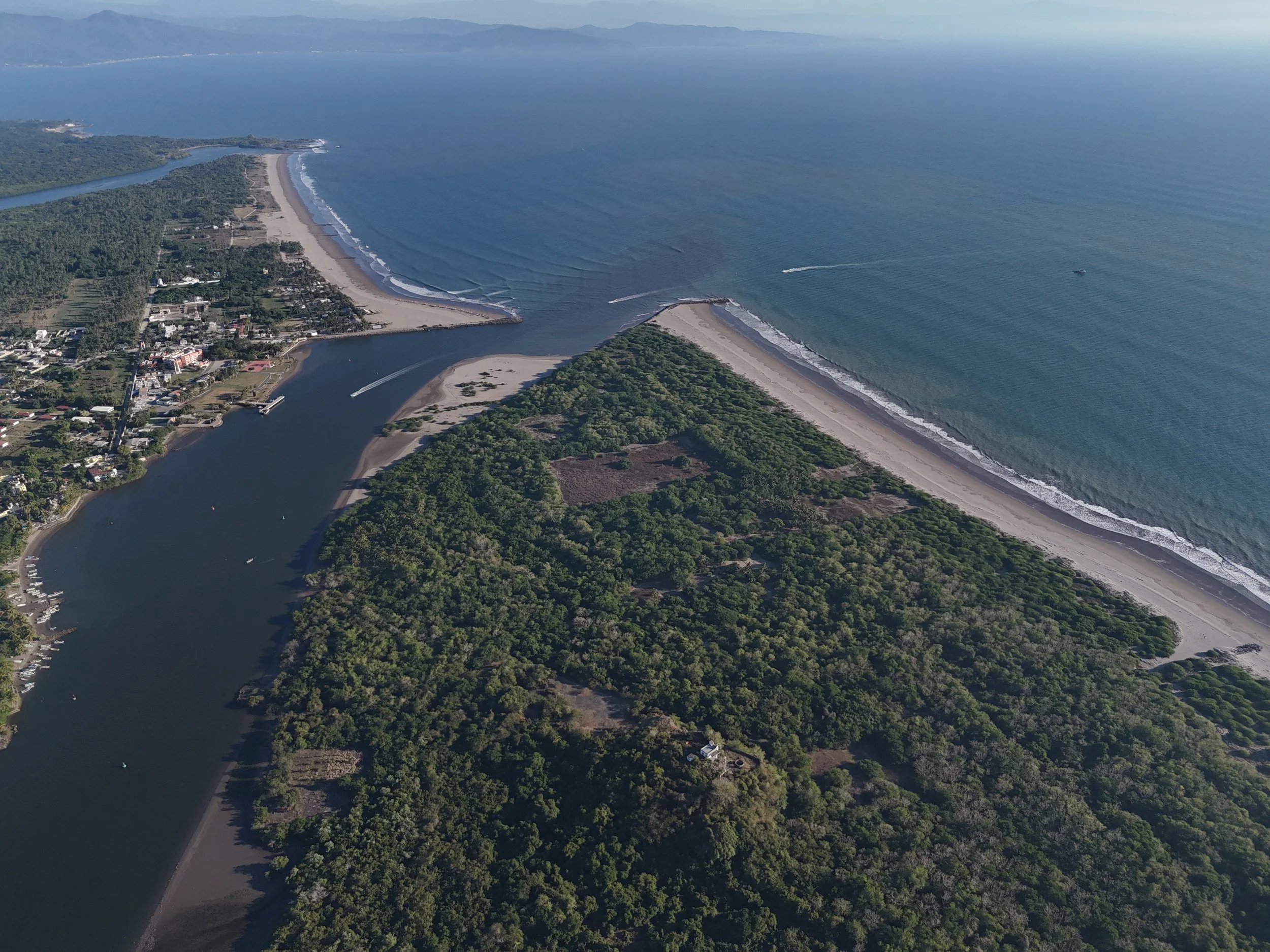
Nayarit’s Hidden Archaeology: Ancient Sites Beyond The Beaches
Long before travelers arrived in search of Pacific beaches, the landscapes of Nayarit were home to complex communities with their own traditions, trading networks, ceremonies, technologies, and ways of understanding the world.
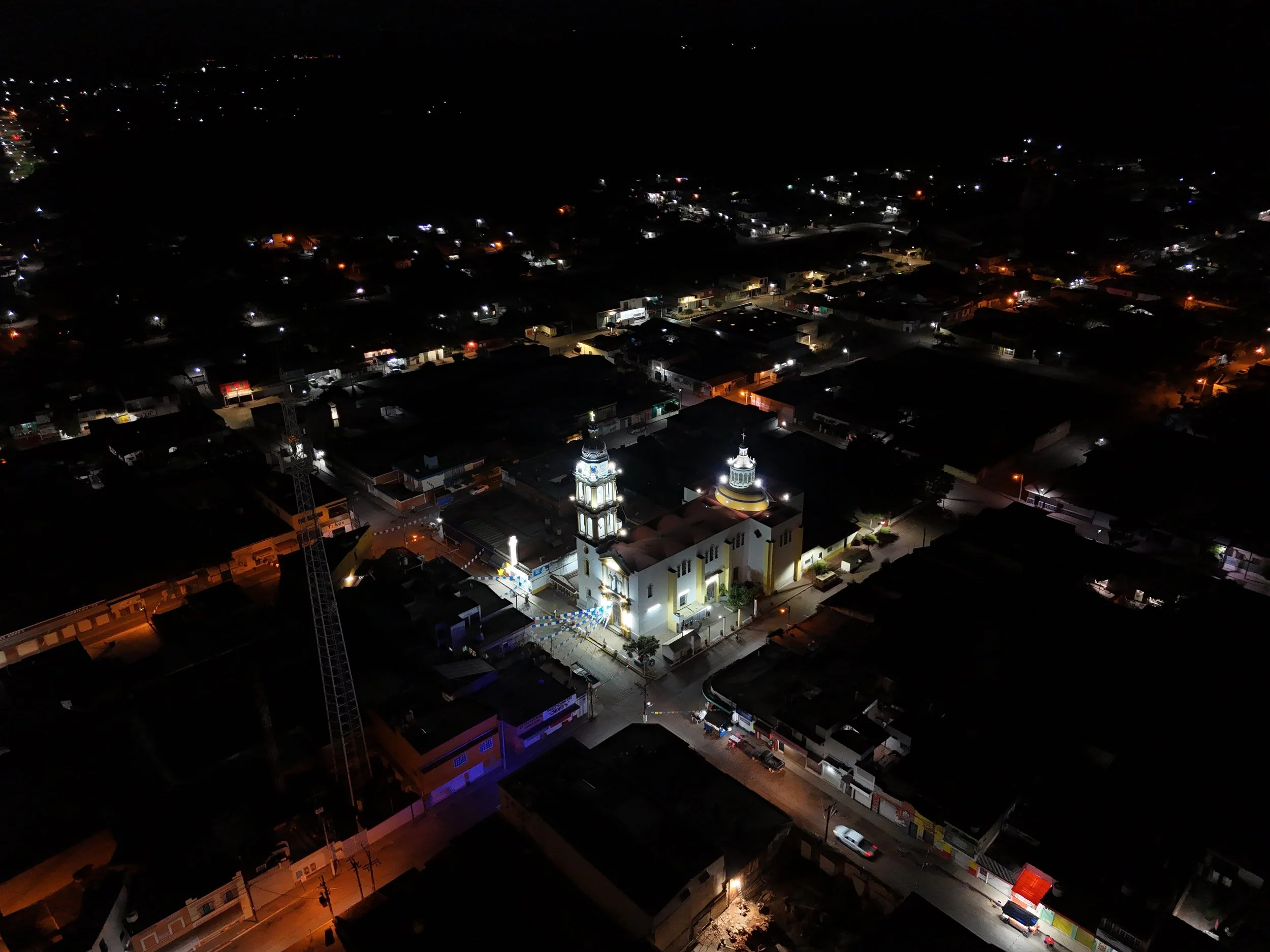
Nayarit After Dark: Nightlife Beyond The Beach Clubs
When the sun disappears over the Pacific, Nayarit does not go quiet. Its evenings simply take on a different character.
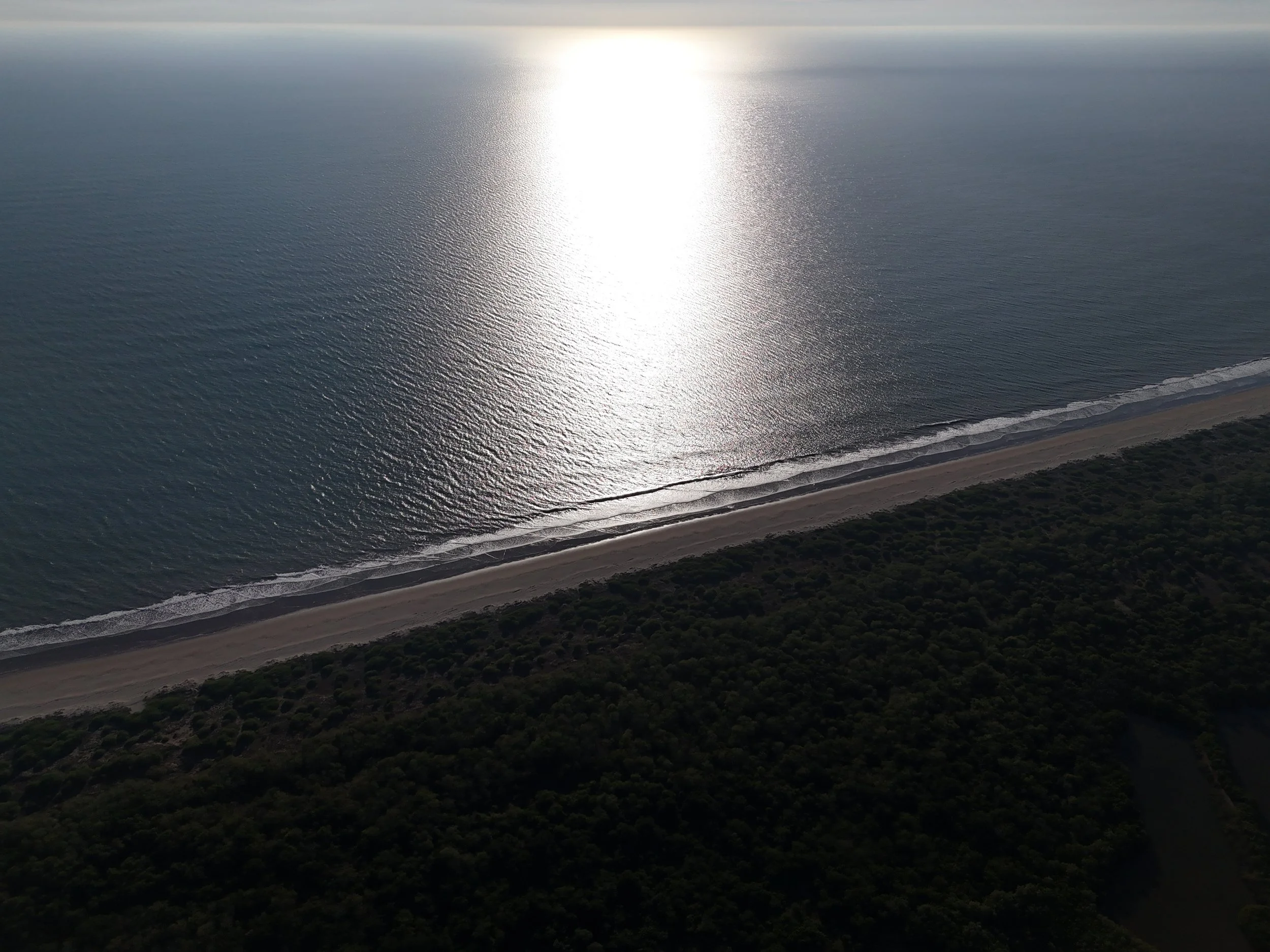
Whale Watching In Nayarit: Following The Humpback Migration
Every winter, the waters along Nayarit’s Pacific coast become part of one of nature’s great seasonal journeys. Humpback whales arrive from northern feeding grounds and gather in the warmer waters of western Mexico, creating one of the most memorable wildlife experiences available to travelers in the region.

The Coffee Route Of Nayarit: Exploring The State’s Mountain Coffee Country
Follow the roads away from Nayarit’s beaches and the landscape begins to change. Tropical lowlands give way to hills and mountains, forests become part of the scenery, and small agricultural communities appear among the greenery.
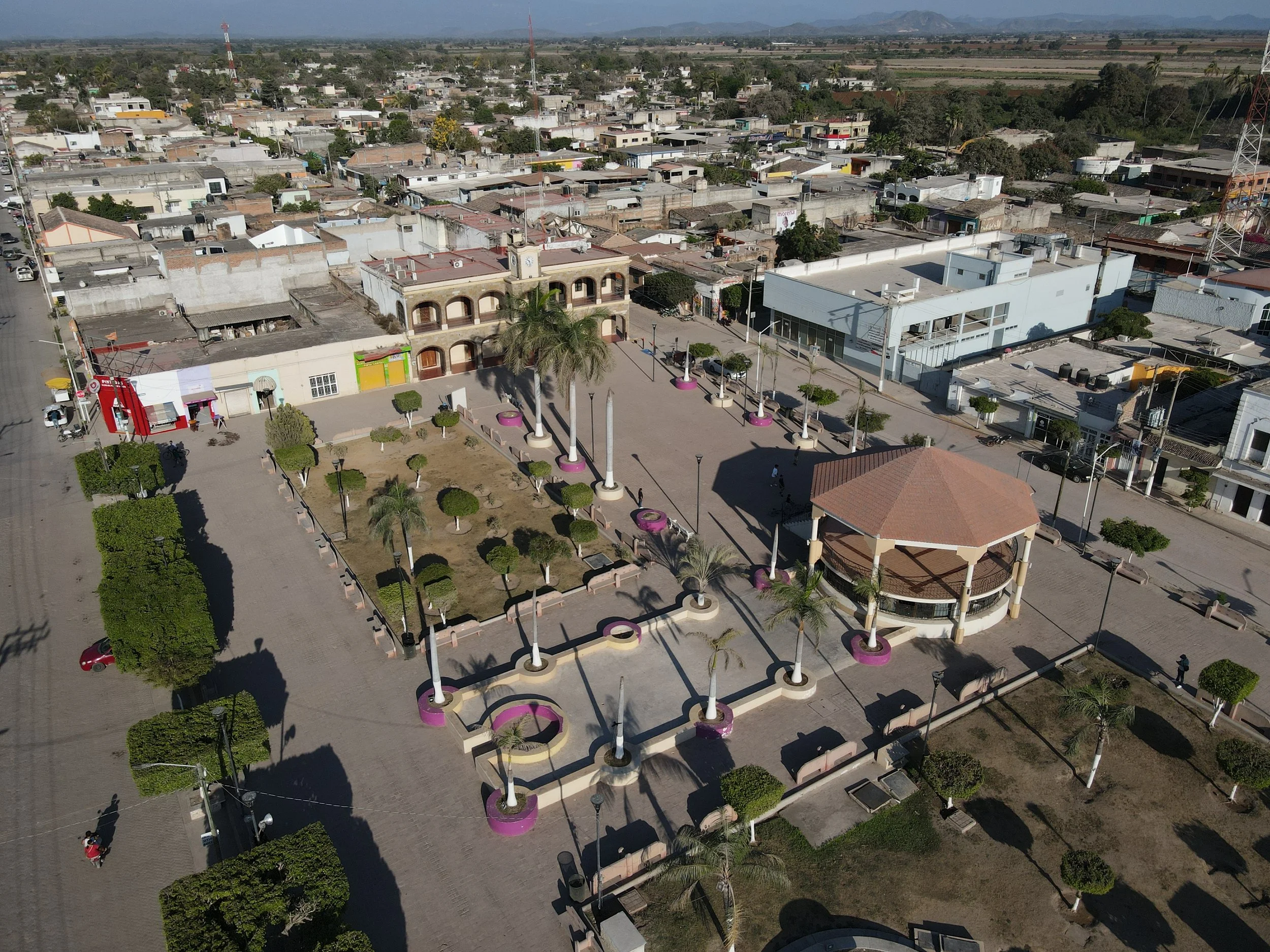
Nayarit’s Pueblos Mágicos: What Makes These Towns Special?
Nayarit is often celebrated for its Pacific beaches, but some of the state’s most fascinating stories are found away from the shoreline. Across its mountains, valleys, wetlands, islands, and coastal communities are towns where history, traditions, architecture, nature, and local identity come together.
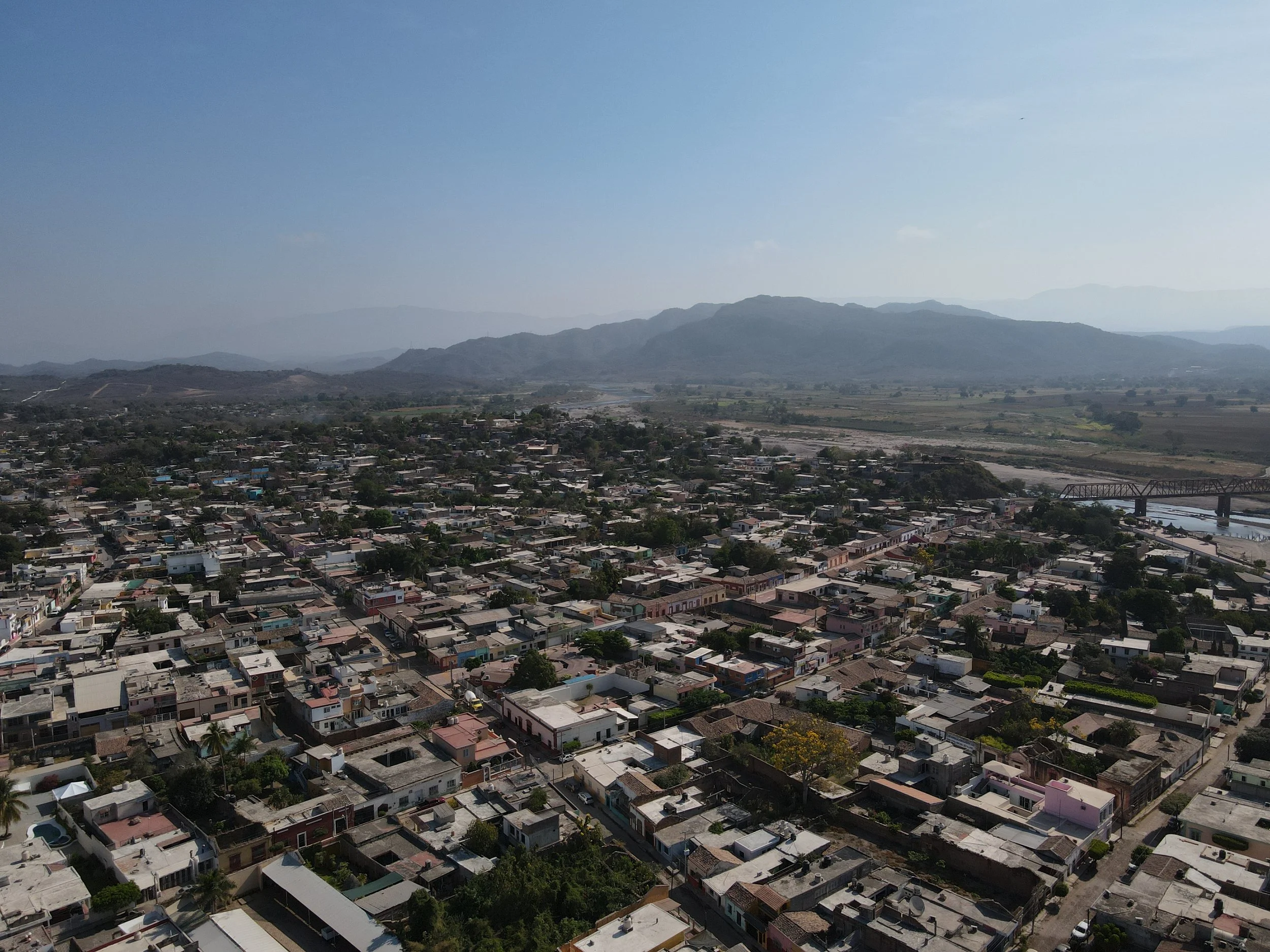
The Legends and Myths of Nayarit: Stories Passed Down Through Generations
Long before Nayarit became known for its beaches, resorts, and colorful coastal towns, its mountains and valleys were already filled with stories.
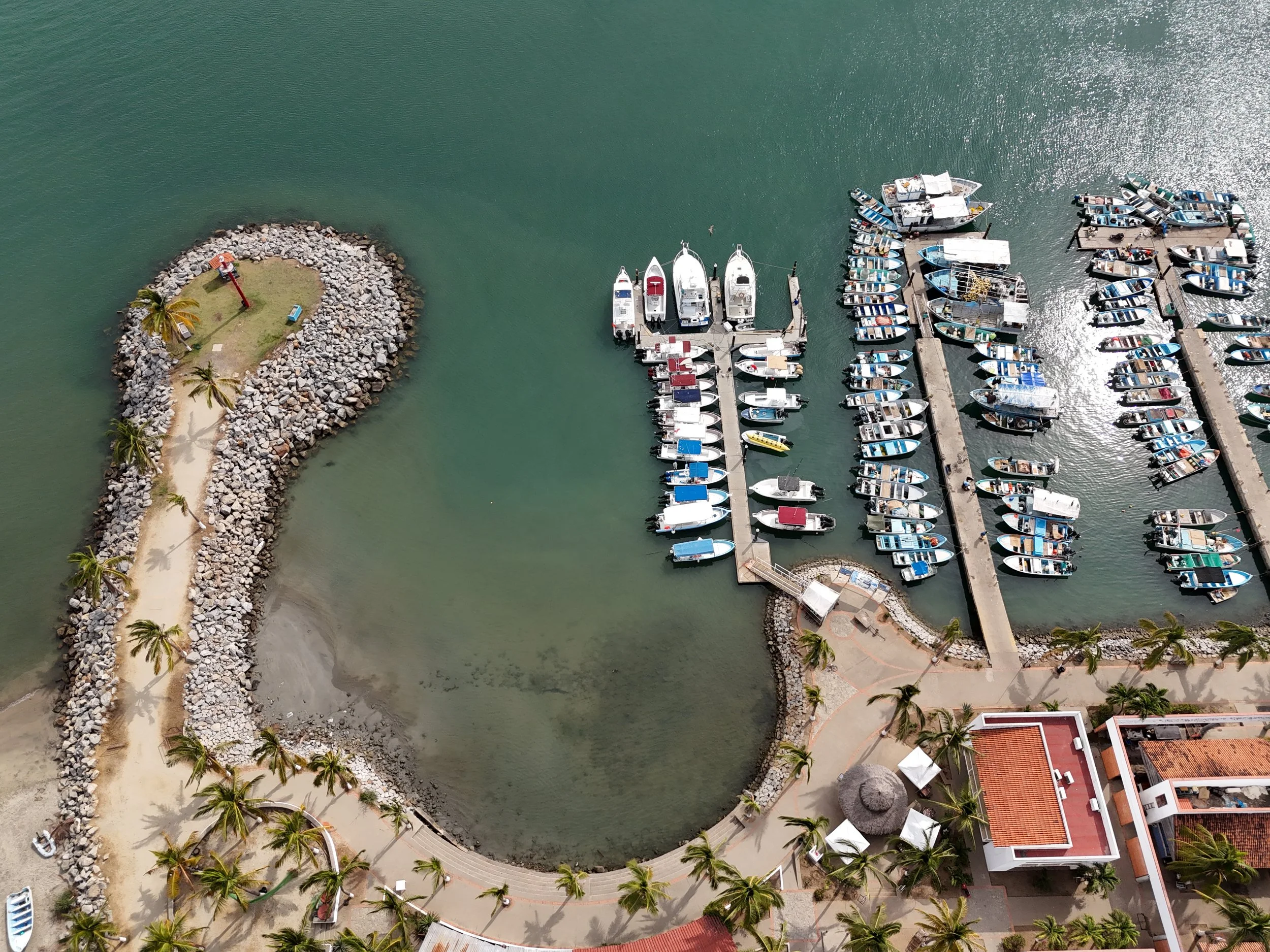
The Rivers, Lagoons and Estuaries of Nayarit: The Waterways Behind Its Biodiversity
Discover how Nayarit's freshwater and coastal ecosystems support wildlife, agriculture, fishing, and local communities.
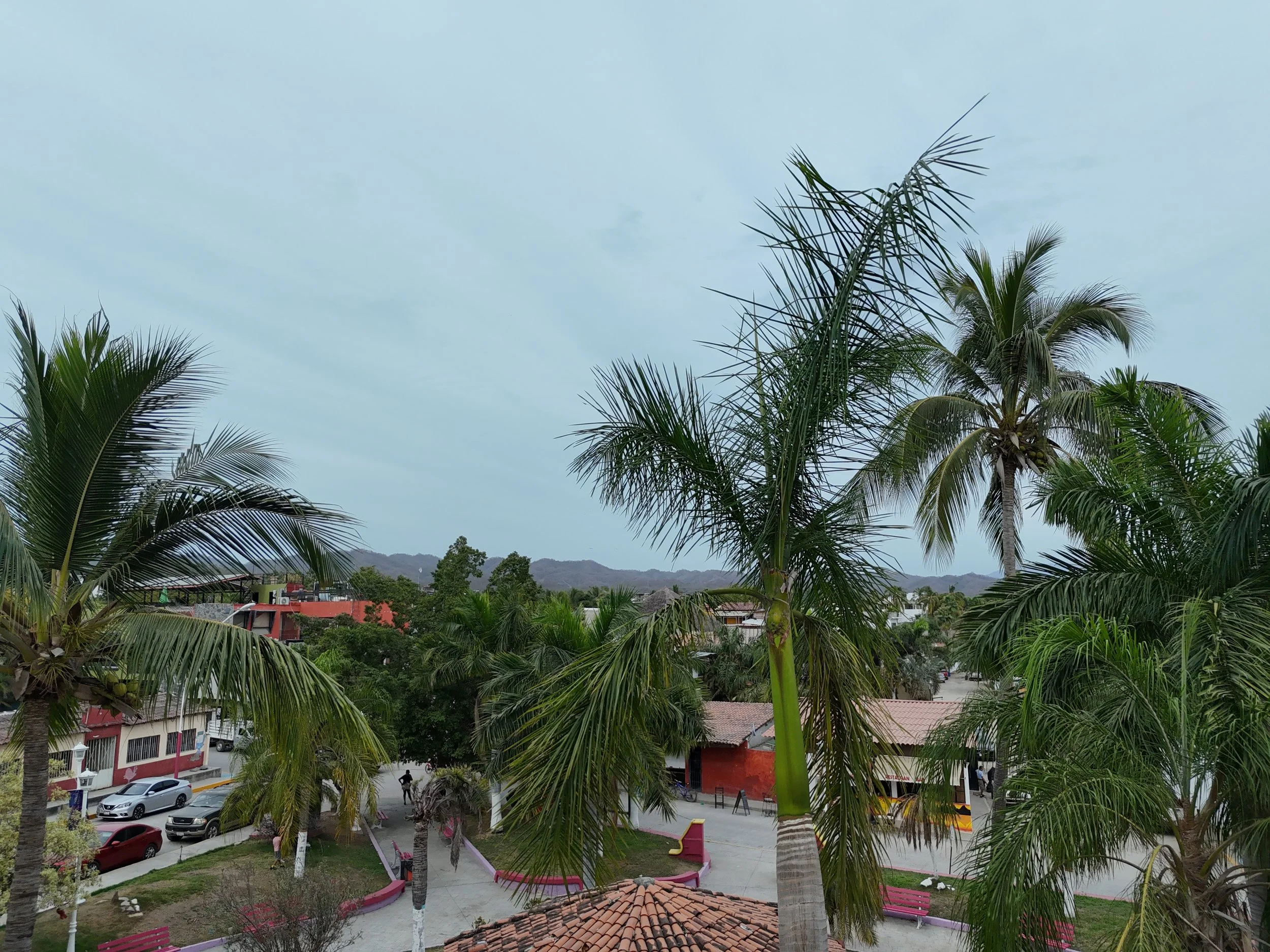
How Nayarit Became a Tourism Powerhouse: From Tepic to Riviera Nayarit
Today, Nayarit is synonymous with Pacific beaches, luxury resorts, surfing towns, boutique hotels, and unforgettable nature experiences. But the state's reputation as a tourism powerhouse was not created overnight.
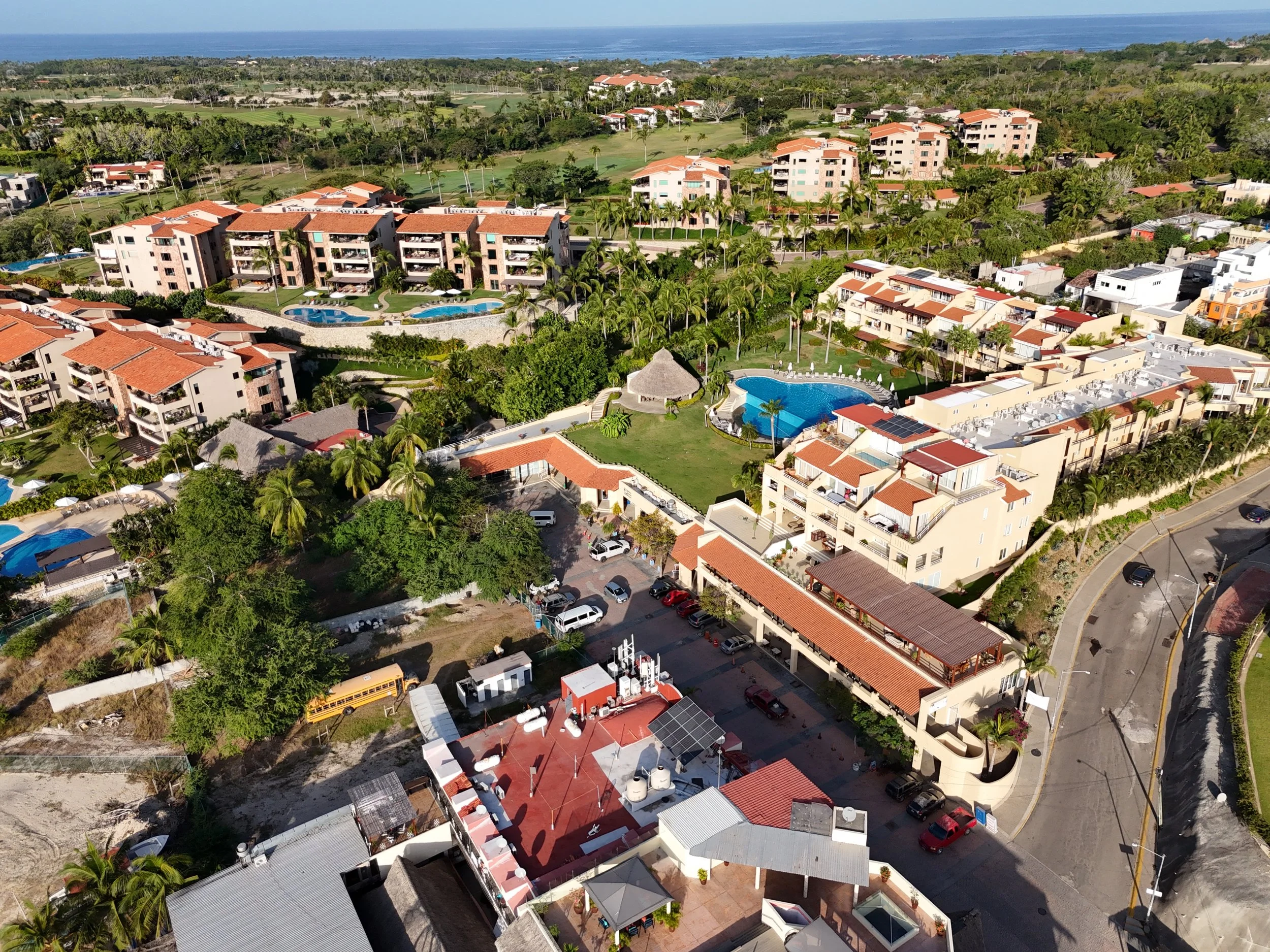
Nayarit by the Numbers: 10 Surprising Facts About the State
How much do you really know about Nayarit?
The state is famous for its Pacific beaches, but there is much more to discover beyond the coastline. Its history, Indigenous cultures, mountains, islands, wildlife, and growing tourism industry make Nayarit one of western Mexico's most diverse destinations.
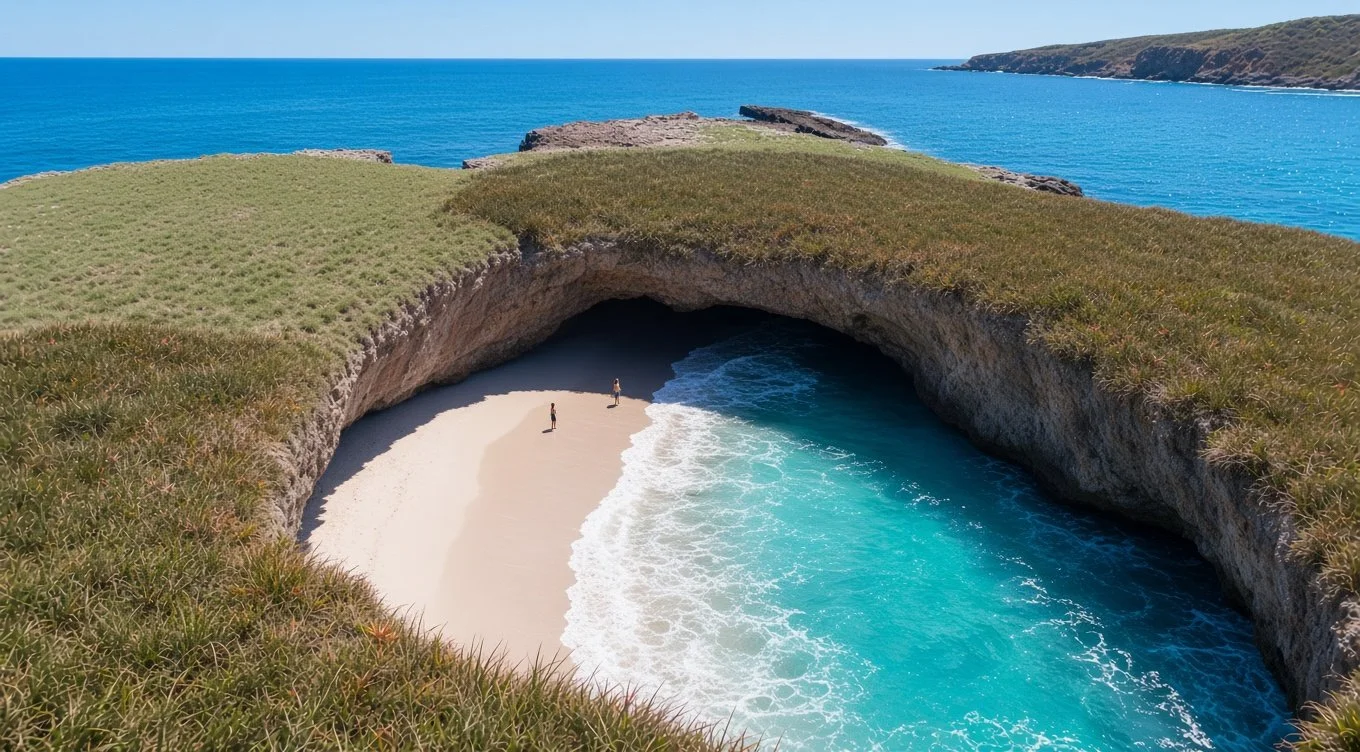
Nayarit's Marietas Islands: The Natural History Behind the Famous Hidden Beach
Few places in Nayarit are as instantly recognizable as the Marietas Islands. Photographs of turquoise water, dramatic cliffs, and the famous Playa del Amor—better known as the Hidden Beach—have made this small archipelago one of Mexico's most photographed natural attractions.
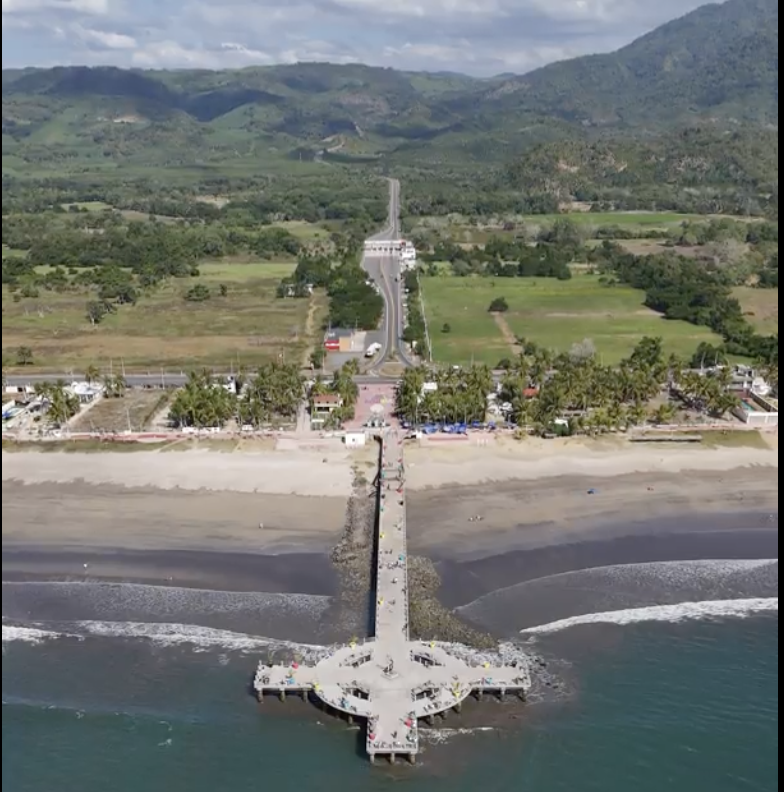
The History of San Blas: From Colonial Port to Coastal Destination
Today, San Blas feels like the kind of Pacific town where visitors come to slow down: fresh seafood, beaches, mangrove boat rides, birdwatching, and sunsets over the coast.
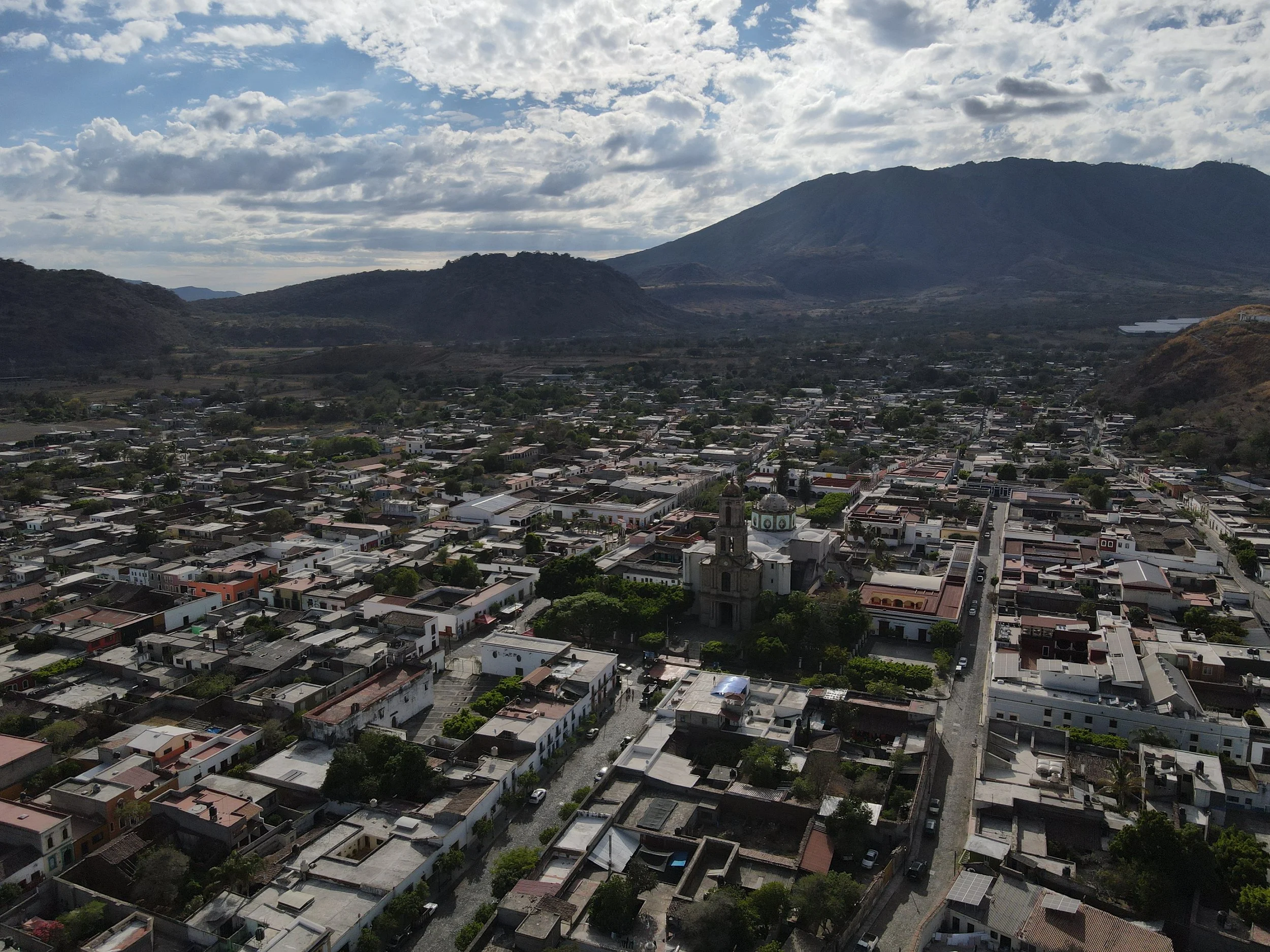
The Geography of Nayarit: From the Sierra Madre to the Pacific Ocean
Nayarit is a state where the landscape changes dramatically within a relatively short distance. Travel east from the Pacific coast and the scenery gradually rises from beaches, estuaries, and coastal plains into valleys, volcanic landscapes, and the rugged mountains of the Sierra Madre Occidental.
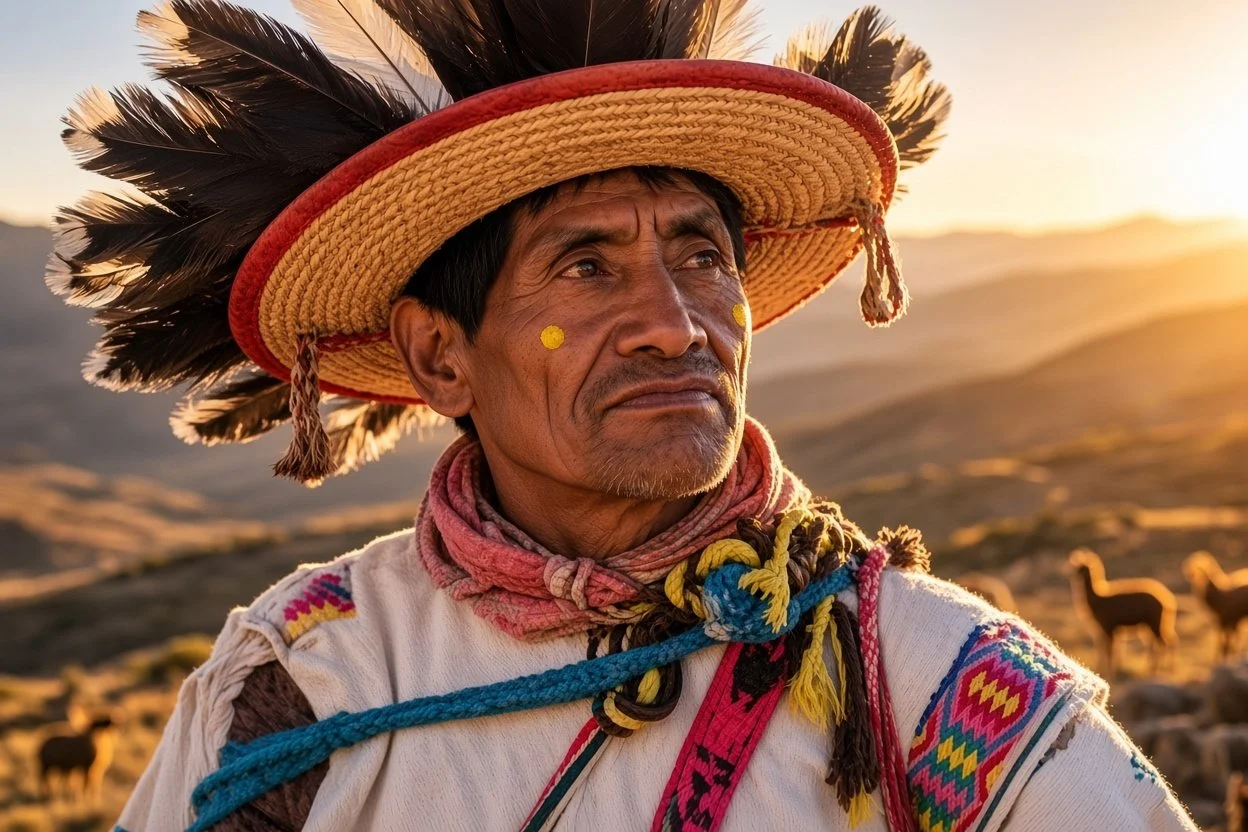
The Indigenous Peoples of Nayarit: Wixárika, Náayeri, O’dam and Mexicanero Culture
In the mountains of western Mexico, Nayarit is home to a remarkable cultural landscape where language, art, ceremony, music, and ancestral traditions remain deeply connected to the land.
Why Is Nayarit Called Nayarit? The Story Behind the State's Name
What does the word Nayarit actually mean?
The answer takes us into the mountains of western Mexico, to the history of the Nayarit people, traditionally known in Spanish as the Cora. The name of the modern Mexican state is closely connected to their history and to the figure of Nayarit, remembered in historical sources as an important Nayarit leader.
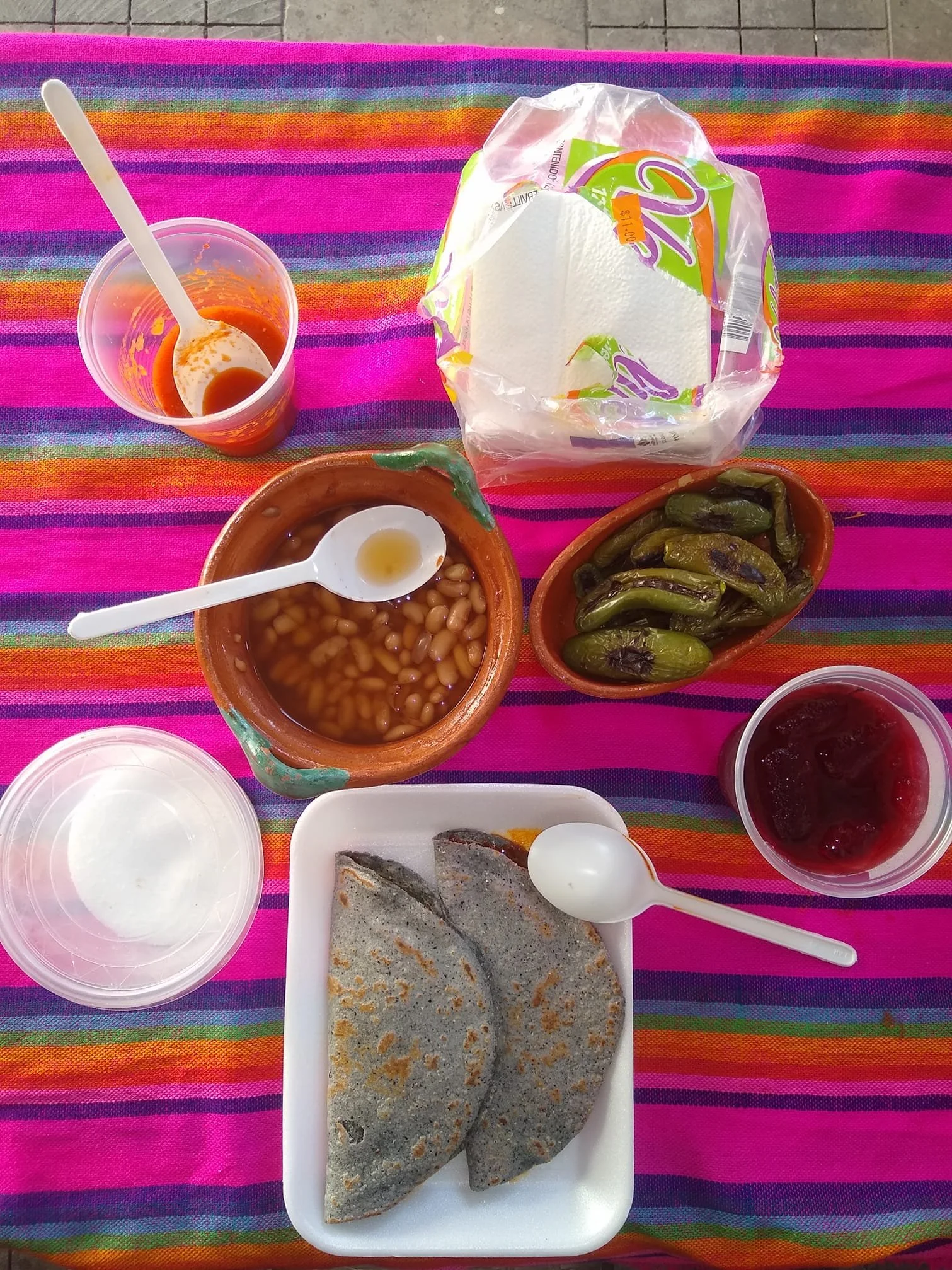
A Taste of Nayarit: Traditional Foods Every Traveler Should Know
To understand Nayarit, follow your appetite.
The state stretches from the rugged Sierra Madre Occidental to hundreds of kilometers of Pacific coastline, and that geography is reflected on the plate. Coastal communities have developed a strong seafood tradition, while inland and Indigenous communities contribute dishes and ingredients rooted in agriculture, local customs, and generations of culinary knowledge.